












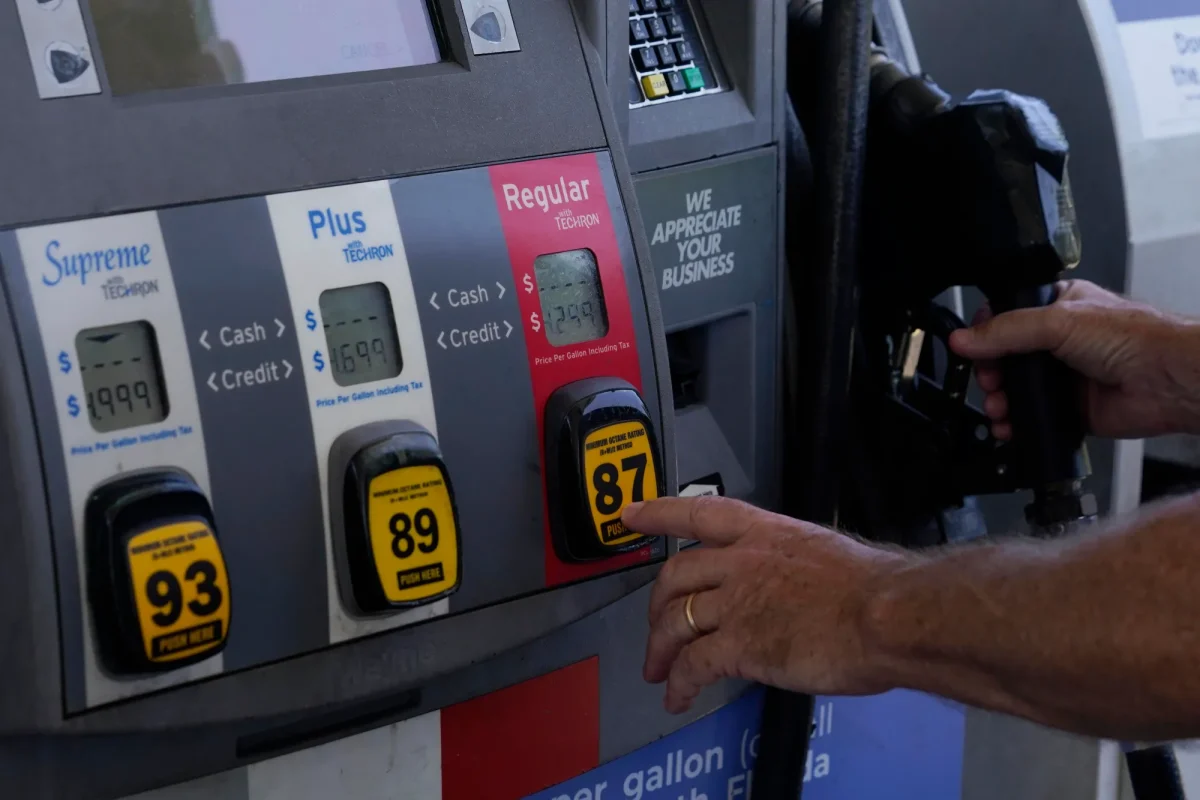












Recently, gas prices have become a major topic in the news and everyday conversations. Starting in late February of 2026, gas prices in the United States began to rise rapidly due to conflict involving Iran and instability in the Middle East. This, paired with inflation, has caused Americans of all ages to struggle with affording fuel and other everyday necessities.
Due to the rise in gas prices, many student drivers find it difficult to travel to places like school or work. Students are limiting unnecessary trips to conserve fuel since prices have increased so dramatically. Even everyday transportation to school has become more stressful and expensive. “I am more hesitant to go to places since I don’t want to waste gas,” says Sydney Angione. Gas prices have made it increasingly difficult for students to travel because many teenagers do not have stable incomes and must rely on their parents for gas money. This also creates stress for parents, who are already dealing with rising costs in other areas of life. Many teens already struggle financially, whether they have jobs or not, and fuel costs have become another major expense to worry about.
“I dont get gas as often since I dont have a job and I don’t like burdening my parents with the cost,” says Sydney, “I try to save gas as much as possible.” Adults are also heavily impacted because many rely on driving to get to work, run errands, and care for their families. As gas prices continue to rise, a larger portion of many adults’ income is being spent on transportation. This often forces families to cut back on important expenses such as groceries, savings, or entertainment in order to afford fuel.
“Having to choose between wants and needs at the grocery store is my biggest struggle,” she explained, Many people who work minimum-wage jobs, especially college students, are struggling to keep up with rising fuel costs. The more gas prices increase, the less money people have available for personal expenses or spending time with friends and family. Many people now spend between $70 and $100 to fill their gas tanks, despite only earning a few hundred dollars per paycheck. As a result, some are searching for alternative transportation, while others are taking on second jobs to cover expenses.
“I pay around $72 for a full tank a week which is a lot of money for someone who gets paid $11.25 an hour like me. I’m still gonna keep driving because I have a passion for cars and driving but I definitely think something needs to be changed, like maybe the Government needs to put more funding towards fuel research or increase the minimum wage soon.” he says,
As gas prices continue to rise, both students and adults are being forced to make difficult financial decisions. For many Americans, transportation is no longer just a convenience — it has become a growing financial burden that affects everyday life.