







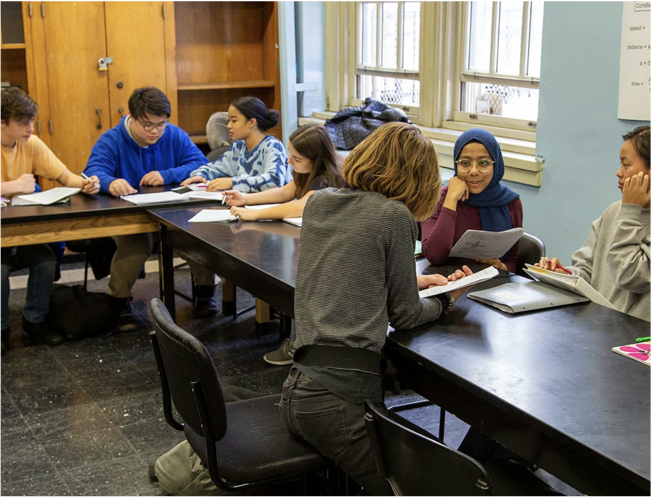










At a time when students are navigating through identity, difference, and belonging every day. The Diversity club is creating a space where inclusion is more than a word, it’s a practice. Led by students who want to build a school environment rooted in respect, understanding, and connection. This club puts voices in those who are often overlooked and encourages conversations that can be difficult but necessary. For its leaders, President Maria and Vice President Dailyn Burel, and Advisor Katheran Starks; the club is not just about representation. It is about making sure every student feels seen, valued, and supported.
To Understand the purpose behind this club’s impact, it’s important to look at how it came about. A Club advisor by the name of Kathryn Starks gave her insight on how this club came to be.
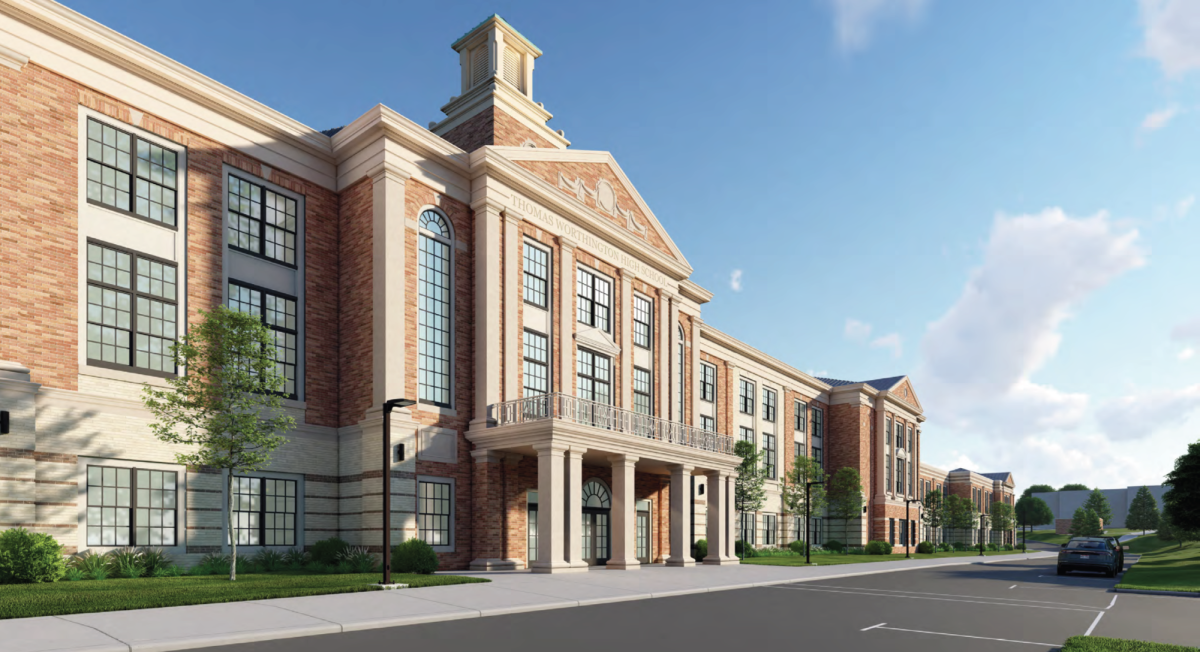
“It was originally created by Mr. Scully, the former TWHS principal. There was a group of students who didn’t feel like their voices were being heard and they didn’t feel like they had a place at Thomas,” said Starks. “Mr. Scully started meeting with a small group of students and then it expanded to what it is today. Mr. Scully asked me to help him run the group. Today, Mr. Almanson is part of the group, and Mrs. Smith (counselor) comes when she can.”
The origins of the club were based on the need for students’ voices to be heard; its meaning today is best understood through the perspectives of those leading it.
For President Maria Maforikan and Vice President Dailyn Burel, inclusion is more than a concept- it’s a personal belief.
“Inclusion means more than just having different kinds of people in the same space—it means everyone feels seen, heard, and valued for who they are,” says Maria. “What inclusion looks like to me is making sure everyone has a seat at the table. Always making sure that everyone feels empowered and comfortable and knows that their voice and opinions carry weight and value,” says Burel.
Building on their definitions of inclusion, it’s also important to reflect on how those ideals show up in the school’s environment itself. While progress is being made, there is always room for growth when it comes to ensuring every student feels fully represented and heard.
“Our school does a good job of bringing together students from different backgrounds and offering opportunities for involvement,” Maforikan said. “However, there are still areas where we can improve, like making sure all voices are equally heard and represented, and addressing moments when students may feel excluded or misunderstood.”
The Diversity Club shows that inclusion is not just something to talk about, but something to practice through actions, conversation, and leadership. From its student-led beginnings to its ongoing efforts to create more inclusive school environments, the club continues to push for every voice to be heard and valued. With the leaders in charge graduating there is opportunity for new leaders.
“I’ve always wanted to be a person to help people grow and see themselves for who they truly are,” said Burel. The world can be a very cruel place and everyone needs a pillar that will encourage and support them.
